
The 'Add' Mentality: How to Eat for Your Heart Without Feeling Deprived
The 'Add' Mentality: How to Eat for Your Heart Without Feeling Deprived
Written by: Lian Liu, MPH, RD, CDCES | Specializing in Cardiac & Menopause Nutrition. Reviewed and updated: June 2026.
> Direct Answer: The "Add" Mentality shifts your focus from restrictive dietary rules to incorporating nutrient-dense foods high in fiber, potassium, and magnesium into every meal. This approach naturally crowds out processed ingredients with heart-healthy whole foods, improving cardiovascular health while increasing long-term adherence by removing the psychological burden of restriction.
Disclosure: Some of the links below are affiliate links. This means if you click through and take action, I may receive a small commission (at no extra cost to you). This helps support the free content on this blog while I only recommend tools and foods I truly believe in for your heart health journey.
If you’ve ever tried to follow a "heart-healthy" diet, you know the feeling. You open a brochure and see a list of "No" foods: No salt, no fat, no sugar, no fun.
This restrictive approach is the #1 reason why most people fail. It treats your diet like a punishment.
At Cardiac Comeback, we use a different framework. We call it the "Add" Mentality. We don't focus on what you're losing; we focus on what you're adding—the nutrients your arteries need to heal, the fiber that scrubs your blood, and the minerals that stabilize your heart rhythm.
Key Takeaways
- Psychological Reframing: Reframing your diet around what to add (nutrients, fiber) instead of what to restrict bypasses the brain's natural resistance to scarcity.
- The Crowding Out Effect: Actively adding high-volume, nutrient-dense whole foods naturally displaces processed, high-sodium ingredients without feeling deprived.
- Consistency Over Perfection: Aiming for 90% heart-healthy choices makes the diet sustainable long-term and reduces the guilt of setbacks.
The Science of "Crowding Out"
The human brain is hardwired to resist restriction. But when you focus on adding high-volume, high-fiber foods (like vegetables and beans), you naturally "crowd out" the low-nutrient, high-sodium foods that cause inflammation.
Clinical Insight: The Nutrient Density Shift
Research in nutrition psychology suggests that focusing on 'additive' behaviors has significantly higher long-term adherence rates than 'restrictive' behaviors. In The Cardiac Comeback, I teach you how to shift your focus from "missing out" to "leveling up" your arterial defense.
5 Pillars of the "Add" Mentality
1. The Fiber Shield
Every meal should include at least one "Fiber Shield." Fiber isn't just for digestion; it acts like a sponge for Cholesterol. Add beans, lentils, or whole grains (like Teff or Millet) to every lunch.
2. The Potassium Ladder
Instead of just "lowering salt," focus on adding high-potassium foods (spinach, bananas, sweet potatoes). Potassium acts as the biological antagonist to sodium, helping your kidneys flush out excess salt and relaxing your arterial walls.
3. The Healthy Fat Anchor
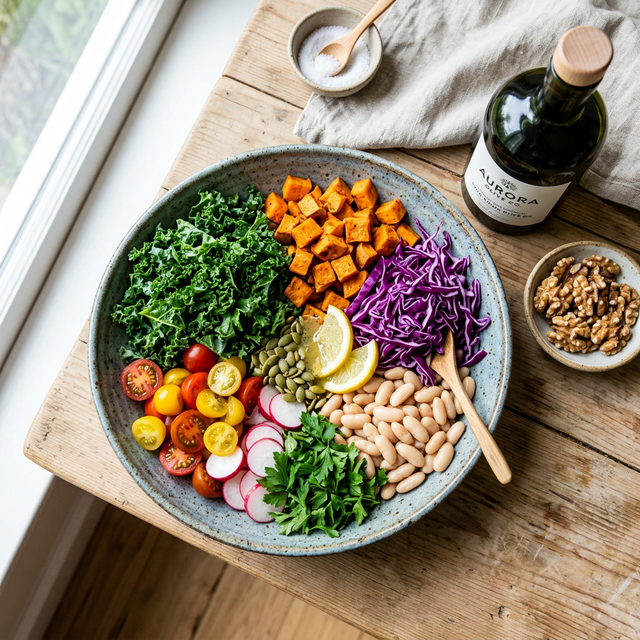
We don't avoid fats; we anchor our meals with the right ones. Add walnuts, flax seeds, or extra virgin olive oil to your morning porridge or your evening salad to soothe arterial inflammation.
4. Flavor Without Salt
Instead of focusing on what’s missing, add dimension. Use fresh herbs, citrus zests, and vinegars to wake up your palate without triggering a blood pressure spike.
5. The "90/10" Rule
The Add Mentality isn't about perfection. It’s about building a massive foundation of heart-healthy "adds" so that the occasional "non-cardiac" choice (the 10%) doesn't derail your entire recovery.
Your "Add" Mentality Starter Kit
Essential "Adds"
- The Cardiac Comeback (The definitive guide to the Add Mentality)
- Nordic Naturals Omega-3 (The ultimate additive for arterial health)
- Metamucil Sugar-Free Psyllium Fiber Supplement (A convenient way to add soluble fiber to your diet and stabilize blood sugar)
Action Step
The "One Thing" Challenge: Tomorrow morning, don't worry about what you "can't" eat. Instead, pick one heart-healthy ingredient and add it to your breakfast. Is it a handful of berries? A sprinkle of flax seeds? Start your day by giving your heart exactly what it needs.
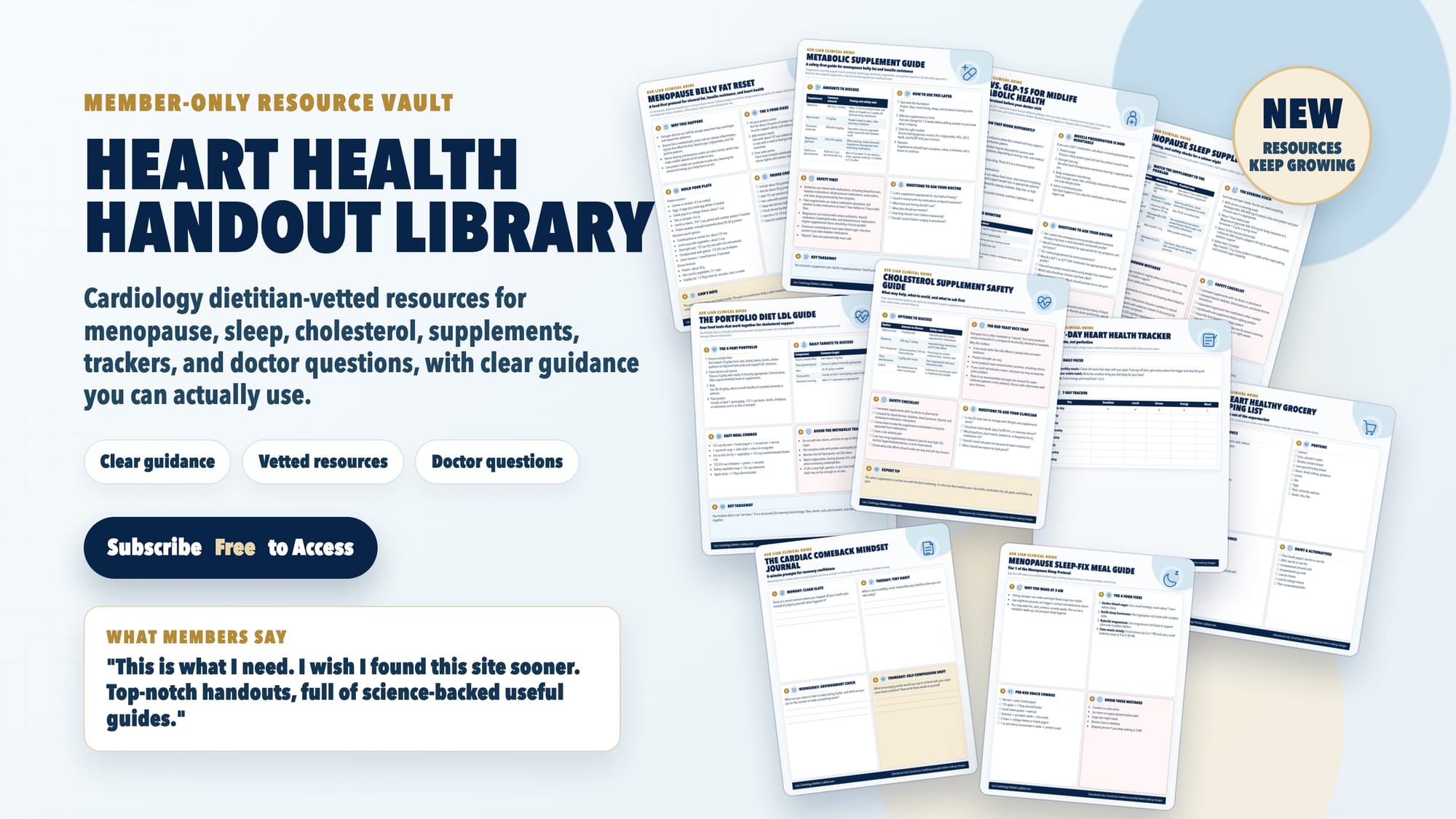
Download Vetted Clinical Handouts & Trackers
Get instant access to a growing library of evidence-based guides, food protocols, and symptom logs vetted by a cardiology dietitian. Access is completely free—simply subscribe to view.
Access Handout Library



Member discussion